


.png)
-1.png)
.png)
.png)
-1.png)
.png)

-1.png)

Medical Officer
Clinical Services

Software Development
Medical Officer
Clinical Services
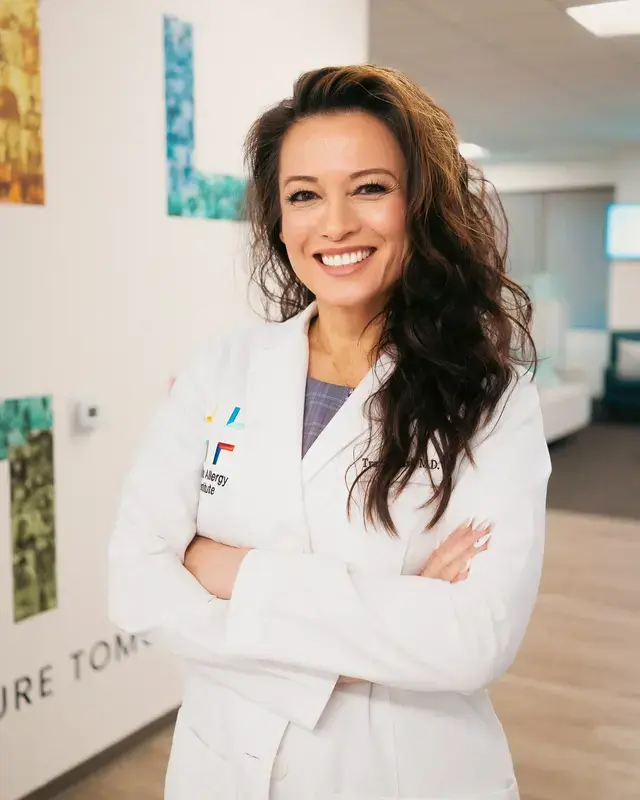
Dr. Tracy Clark completed her medical education at Vanderbilt University Medical School and underwent pediatric training at the Children’s Hospital of Los Angeles.
For over a decade, Dr. Clark worked alongside Food Allergy Institute Founder, Dr. Inderpal Randhawa, as a Pediatric Hospitalist at Miller Children’s Hospital in Long Beach. There, Dr. Clark gained extensive experience and expertise in treating a multitude of pediatric conditions. In 2018, Dr. Clark focused her career on helping children overcome their severe food allergies at the Food Allergy Institute.
As Vice President of Clinic Operations, Dr. Clark plays a pivotal role in upholding our exemplary quality of care at the Food Allergy Institute's two Southern California locations. Her commitment to driving patient outcomes, fostering a positive and collaborative clinic environment, and pushing forward innovative solutions underscores her invaluable contributions to the field of pediatric medicine and food allergy treatment.
As an inspiring and respected clinical leader, Dr. Clark strives to continually improve clinical operations and empower patients to lead the fullest lives possible. “I love giving the gift of food, adventure, and the freedom for patients to live their best life.”
Software Development
Herman Sandhu is the Senior Software Manager at the Food Allergy Institute, where he pioneers the intersection of healthcare and technology. As one of the minds behind the machine learning software that powers FAI’s Tolerance Induction Program® (TIP), Herman leads a team of data scientists in transforming complex clinical data into personalized treatment plans.
With a Bachelor’s degree in Healthcare Administration and a Master’s in Information Systems, Herman blends engineering, analytics, and automation to enhance the safety, efficiency, and precision of TIP treatment. A founding team member since 2012, he brings both technical leadership and a deeply patient-centered spirit to everything he does.
Having personally lived with food allergies, Herman is profoundly connected to FAI’s mission of achieving Food Freedom for all. He understands firsthand the fear and isolation that can come with avoidance-based approaches and is committed to building solutions that change that narrative.
“The most fulfilling part of working at FAI is the impact the work has on our patients in real-time. Being on the receiving end of families’ love and gratitude—before, during, and after treatment—is a reward few experiences can match, especially in a professional capacity. I’m honored to contribute to a solution that many never thought possible for a problem they feared would haunt them for life.”
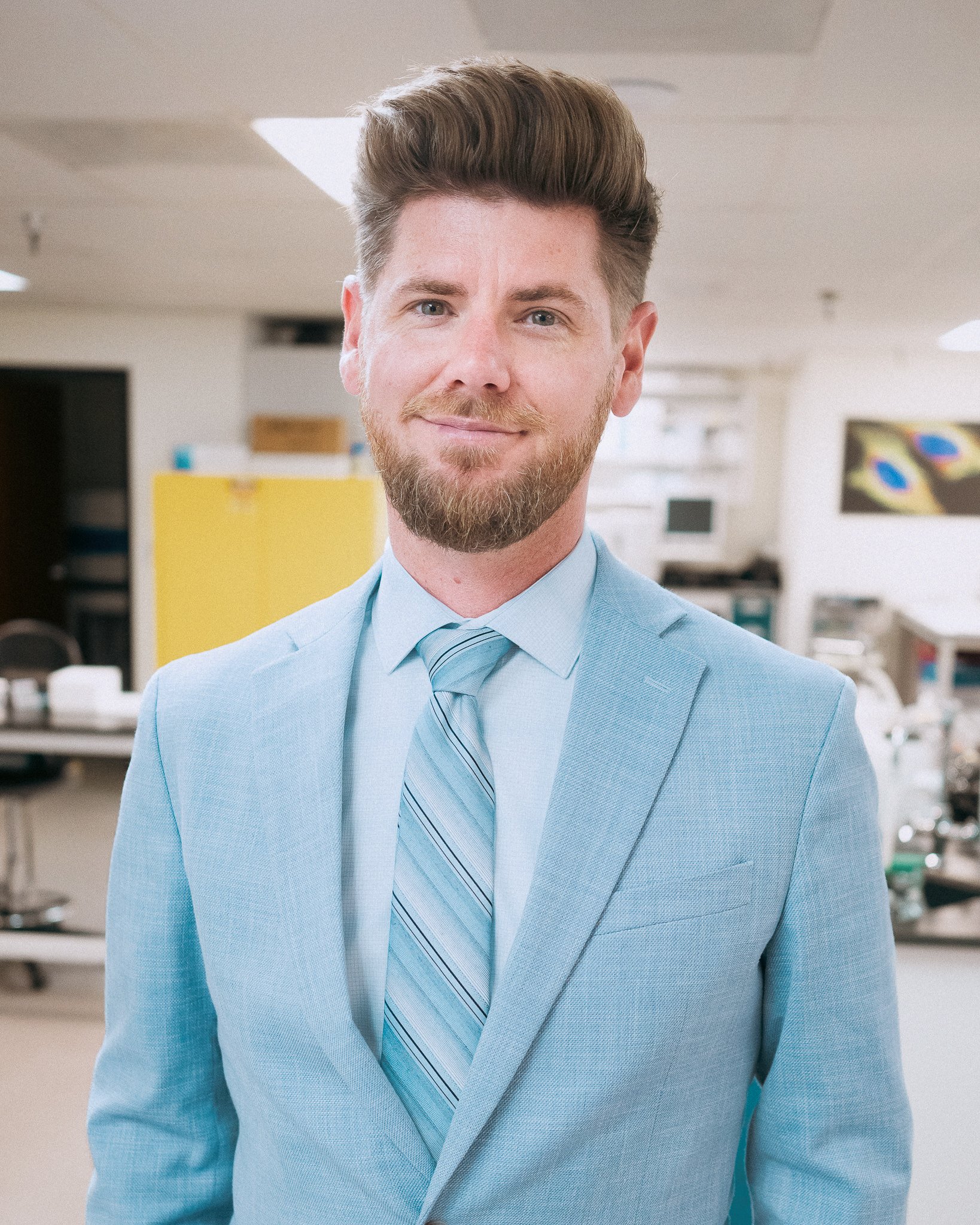
Dr. Nathan Marsteller is the Director of Research at the Aperture Immunodiagnostics, where he leads a translational science program focused on rare diseases, food allergy, and lung development. Since 2017, he has built a research infrastructure that leverages large-scale data to advance diagnostics, patient-focused methodologies, and studies on immune regulation.
He holds a Ph.D. in Biological Sciences from the University of Nebraska–Lincoln and brings over 15 years of experience in immunology, pulmonology, and molecular biology.
Dr. Marsteller also serves as Research Faculty at the University of California, Irvine, within the Pediatric Pulmonology Division at Miller Children’s Hospital, where he mentors fellows in the Pulmonology Fellowship Program.
His commitment to advancing food allergy research is evident in his role as Principal Investigator of the TPIRC Biobank, a biospecimen and data resource he has led since 2020. The initiative stores and manages biological samples and patient data, supporting the development of new diagnostics and treatments for food anaphylaxis and driving innovation within the Tolerance Induction Program™ at the Food Allergy Institute.
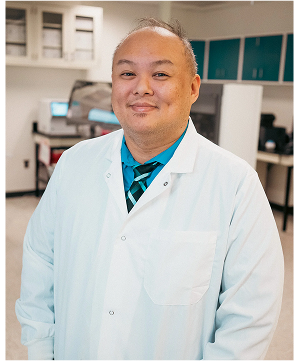
With over a decade of experience in food science, Shin Nagane serves as the Principal Food Scientist at the Food Allergy Institute’s in-house Food Laboratory.
He earned a Bachelor of Science in Biology from UC Irvine and a Master of Science degree in Food Science and Technology from Chapman University. Before joining FAI, Shin spent nine years in the plant-based food industry, leading research and development for new products and process optimization.
At FAI, Shin is responsible for developing and refining ready-made food doses that ease the burden of at-home preparation while ensuring accurate, safe dosing for patients undergoing TIP treatment. Drawn to FAI’s groundbreaking approach, moving beyond avoidance to address food allergies at their root, Shin brings a spirit of curiosity and innovation to everything he creates.
“At FAI, I am able to make a difference through producing products that help patients progress through the program to achieve food freedom.”
Peter Ngo is the Laboratory Manager at Aperture Immunodiagnostics, the in-house laboratory supporting the Food Allergy Institute. With over 17 years of experience in laboratory diagnostics, including a decade leading allergy testing for the West Coast at Quest Diagnostics, Peter oversees all lab functions, from infrastructure to execution.
He holds a Bachelor of Science in Biology from UC San Diego and completed graduate studies in Network and Communications Management at DeVry University.
The diagnostics developed by his team form the foundation of every TIP treatment plan, ensuring each is personalized, precise, and safe. Under his leadership, FAI has built one of the largest allergy specialty labs in the world, redefining diagnostic standards through innovation and patient-first design.
Peter is especially proud of how the lab connects directly with the families it supports, bringing greater meaning to every sample processed. “Working in standard laboratories, all we get to see are test tubes and patient samples. Here, I get to put a face with the patient sample I am testing, and that really creates a personal connection in what I am doing and the meaningfulness behind why we do this.”
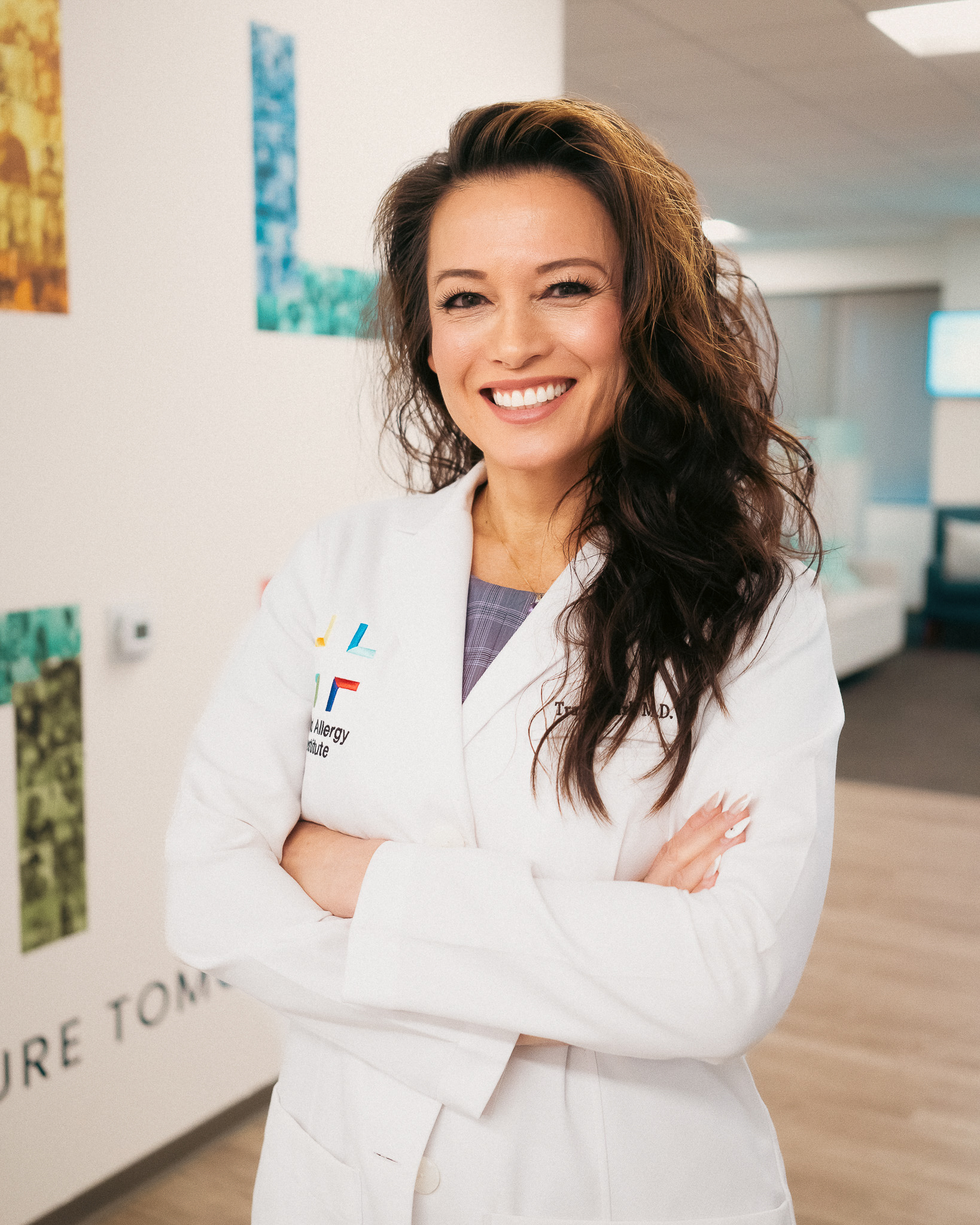


Dr. Tracy Clark completed her medical education at Vanderbilt University Medical School and underwent pediatric training at the Children’s Hospital of Los Angeles.
For over a decade, Dr. Clark worked alongside Food Allergy Institute Founder, Dr. Inderpal Randhawa, as a Pediatric Hospitalist at Miller Children’s Hospital in Long Beach. There, Dr. Clark gained extensive experience and expertise in treating a multitude of pediatric conditions. In 2018, Dr. Clark focused her career on helping children overcome their severe food allergies at the Food Allergy Institute.
As Vice President of Clinic Operations, Dr. Clark plays a pivotal role in upholding our exemplary quality of care at the Food Allergy Institute's two Southern California locations. Her commitment to driving patient outcomes, fostering a positive and collaborative clinic environment, and pushing forward innovative solutions underscores her invaluable contributions to the field of pediatric medicine and food allergy treatment.
As an inspiring and respected clinical leader, Dr. Clark strives to continually improve clinical operations and empower patients to lead the fullest lives possible. “I love giving the gift of food, adventure, and the freedom for patients to live their best life.”
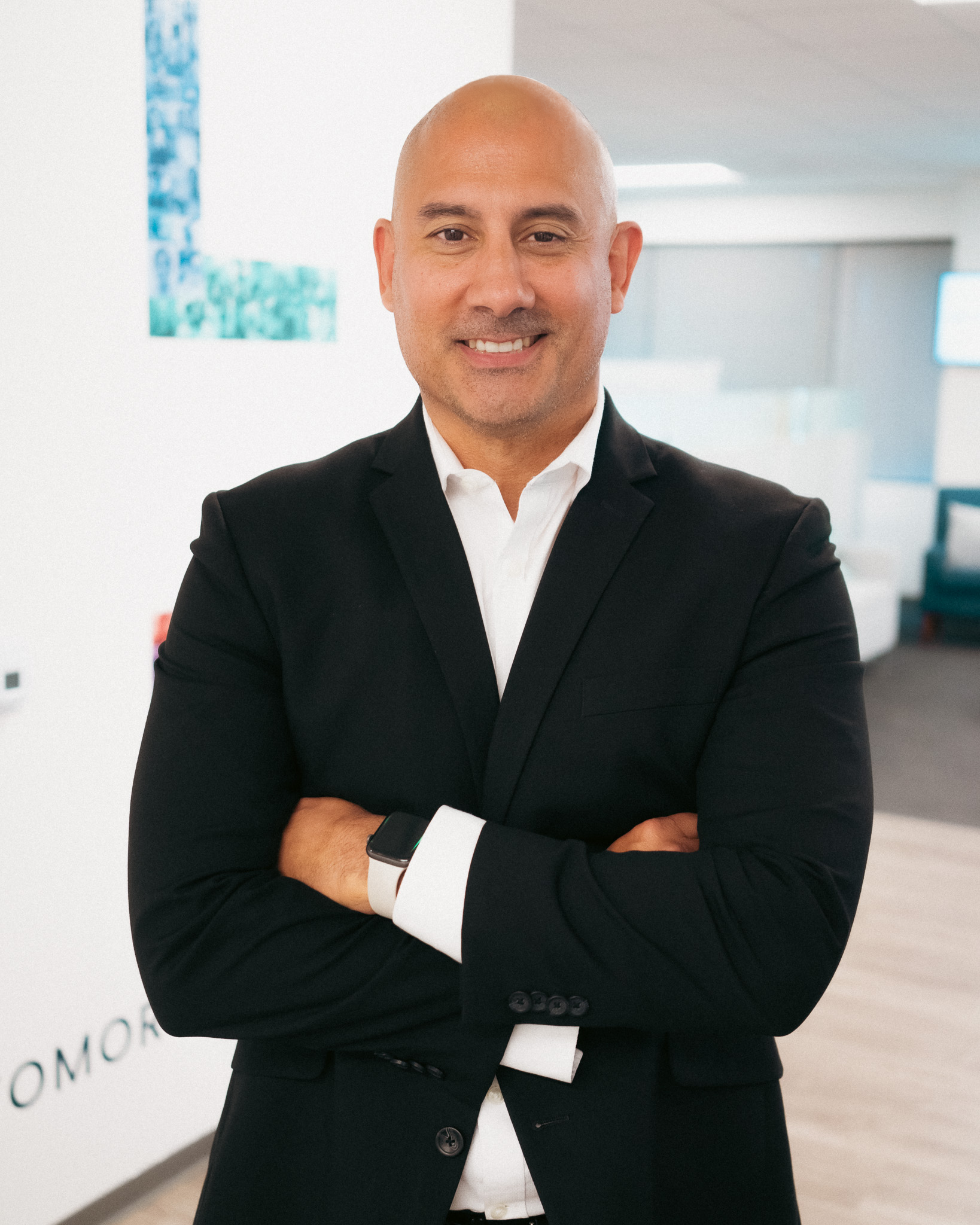
As the Chief Operating Officer at the Food Allergy Institute, Anoop Lohara leads operational strategy that drives sustainable organizational growth and expands access to life-changing food allergy treatment. He also serves as the Chief Financial Officer at TPIRC, FAI’s parent organization dedicated to advancing treatment for rare diseases.
Throughout his 25-year career, Anoop has held leadership roles at Advantage Solutions (Leonard Green portfolio company), Bank of America, Amgen, and top consulting firms, including Ernst & Young. His expertise spans operations, finance, and technology strategy, with a focus on building systems that drive innovation and long-term impact.
Known for his thoughtful and steady leadership, Anoop provides the operational foundation for FAI’s continued momentum. What motivates him most is seeing the tangible results of his work every day.
“It is rare to find an opportunity where you can see, on a daily basis, the impact your work has in changing people's lives for the better. At FAI, our growth goes hand-in-hand with helping more children overcome their life-threatening food allergies.”
For over 20 years, Matias Coo has led efforts to bring innovative healthcare solutions to patients in need. As VP of Patient Acquisition and Experience at the Food Allergy Institute, he oversees marketing, enrollment, business development, and customer service teams, driving growth at scale.
Recognized as one of MM&M’s Top 40 Healthcare Transformers, Matias has held senior positions at leading healthcare organizations, including Medtronic, Avanir and Otsuka Pharmaceuticals, and Danaher Life Science Companies.
After witnessing his daughter’s transformation through TIP, Matias joined FAI in 2022 to help extend that same hope to families everywhere. His leadership has played a pivotal role in shaping the evolution of TIP and establishing FAI as a leader in food allergy treatment.
“We are at the forefront of a massive shift in healthcare—redefining how disease is approached scientifically and treated medically. What excites me most is shortening the path to standard of care from decades to just a few years. It’s a privilege to introduce families to FAI and the hope TIP provides.”
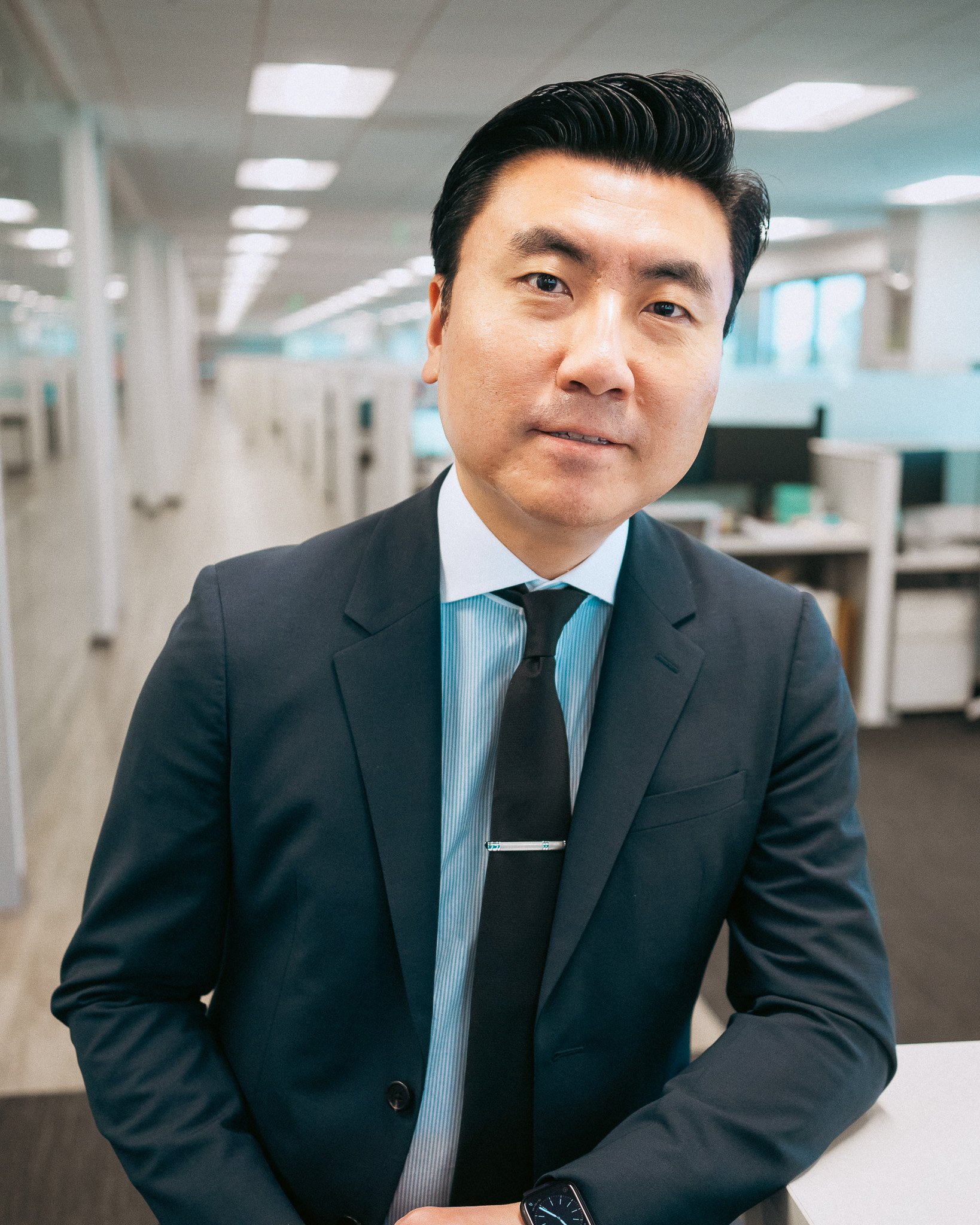
Bringing over 20 years of experience in financial management, Brian Kim serves as the Chief Financial Officer at the Food Allergy Institute (FAI), where he leads the organization’s financial strategy, planning, and growth initiatives.
Before joining FAI, Brian held senior leadership roles across a range of industries, including Senior Manager of Strategy and Finance at Chipotle, FP&A Principal at SCAN Health Plan, and Vice President of Private Equity and Venture Capital at Kline Hawkes.
At FAI, Brian champions transparency, cross-functional collaboration, and data-driven decision-making. With a deep belief in FAI’s disruptive mission, he focuses on scaling its impact and expanding access to its transformative food allergy solution.
“FAI's mission is especially meaningful because it can help deliver hope to families that have struggled with the emotional and physical toll of living with food allergies. Its outcome-based and data-driven approach provides families with the simple reassurance that is often absent in health care today.”
Herman Sandhu is the Senior Software Manager at the Food Allergy Institute, where he pioneers the intersection of healthcare and technology. As one of the minds behind the machine learning software that powers FAI’s Tolerance Induction Program™ (TIP), Herman leads a team of data scientists in transforming complex clinical data into personalized treatment plans.
With a Bachelor’s degree in Healthcare Administration and a Master’s in Information Systems, Herman blends engineering, analytics, and automation to enhance the safety, efficiency, and precision of TIP treatment. A founding team member since 2012, he brings both technical leadership and a deeply patient-centered spirit to everything he does.
Having personally lived with food allergies, Herman is profoundly connected to FAI’s mission of achieving Food Freedom for all. He understands firsthand the fear and isolation that can come with avoidance-based approaches and is committed to building solutions that change that narrative.
“The most fulfilling part of working at FAI is the impact the work has on our patients in real-time. Being on the receiving end of families’ love and gratitude—before, during, and after treatment—is a reward few experiences can match, especially in a professional capacity. I’m honored to contribute to a solution that many never thought possible for a problem they feared would haunt them for life.”
Dr. Nathan Marsteller is the Director of Research at the Translational Pulmonary and Immunology Research Center (TPIRC), where he leads a translational science program focused on rare diseases, food allergy, and lung development. Since 2017, he has built a research infrastructure that leverages large-scale data to advance diagnostics, patient-focused methodologies, and studies on immune regulation.
He holds a Ph.D. in Biological Sciences from the University of Nebraska–Lincoln and brings over 15 years of experience in immunology, pulmonology, and molecular biology.
Dr. Marsteller also serves as Research Faculty at the University of California, Irvine, within the Pediatric Pulmonology Division at Miller Children’s Hospital, where he mentors fellows in the Pulmonology Fellowship Program.
His commitment to advancing food allergy research is evident in his role as Principal Investigator of the TPIRC Biobank, a biospecimen and data resource he has led since 2020. The initiative stores and manages biological samples and patient data, supporting the development of new diagnostics and treatments for food anaphylaxis and driving innovation within the Tolerance Induction Program™ at the Food Allergy Institute.